跳到主要内容
停靠面板
首页
更多
简体中文 (zh_cn)
Deutsch (de)
English (en)
Español - Internacional (es)
Français (fr)
Türkçe (tr)
Русский (ru)
简体中文 (zh_cn)
登录
首页
课程
搜索
_
campUAS
搜索课程
搜索课程
搜索结果: 7576
«
上一页
1
页 1
…
552
页 552
553
页 553
554
页 554
555
页 555
556
页 556
557
页 557
558
页 558
559
页 559
560
页 560
561
页 561
…
758
页 758
»
下一页
显示所有(7576)
Peters: E789
_
'DAS LETZTE HAUS '. Sommer 2024
Dozent/in:
PetersMichael
Dozent/in:
SchäferTheresa
类别:
Master-Studiengänge
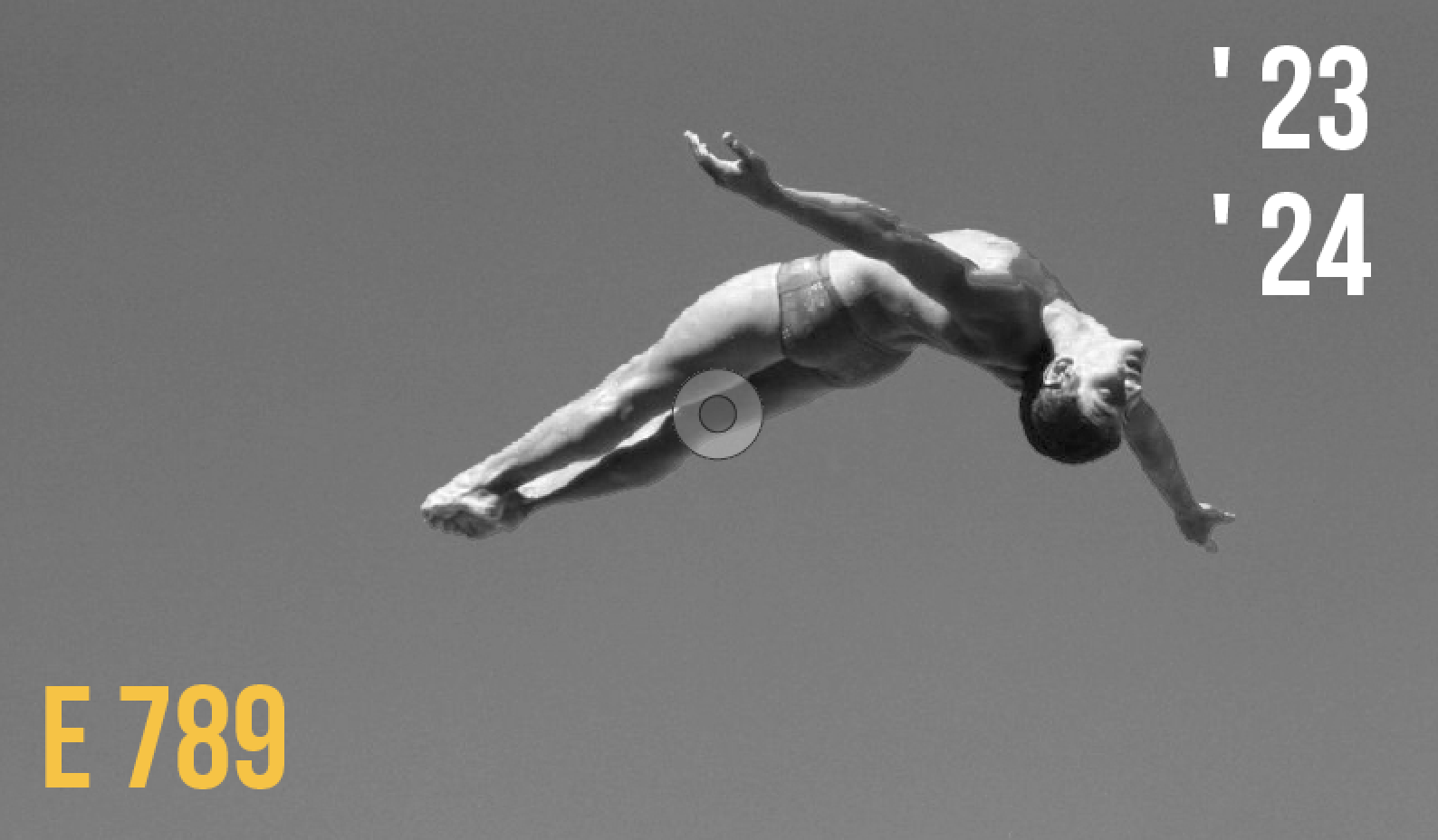
Peters: E789
_
'DoppelSport'. Winter 2023.24
Dozent/in:
PetersMichael
类别:
Master-Studiengänge
Peters: HBW - SoSe 24
Dozent/in:
DichtlAnna
Dozent/in:
PetersMiriam
类别:
Soziale Arbeit Bachelor – Studiengänge
Peters: HBW APW M1/M4 - WiSe 24
Dozent/in:
PetersMiriam
类别:
Soziale Arbeit Bachelor – Studiengänge
Peters: K1.1
_
'superschlank' . Winter 2023.24
Dozent/in:
MersingerMarius
Dozent/in:
PetersMichael
类别:
Bachelor-Studiengänge
Peters: K2
_
'superschräg' . Sommer 2024
Dozent/in:
MersingerMarius
Dozent/in:
PetersMichael
类别:
Bachelor-Studiengänge
Peters: K2.1
_
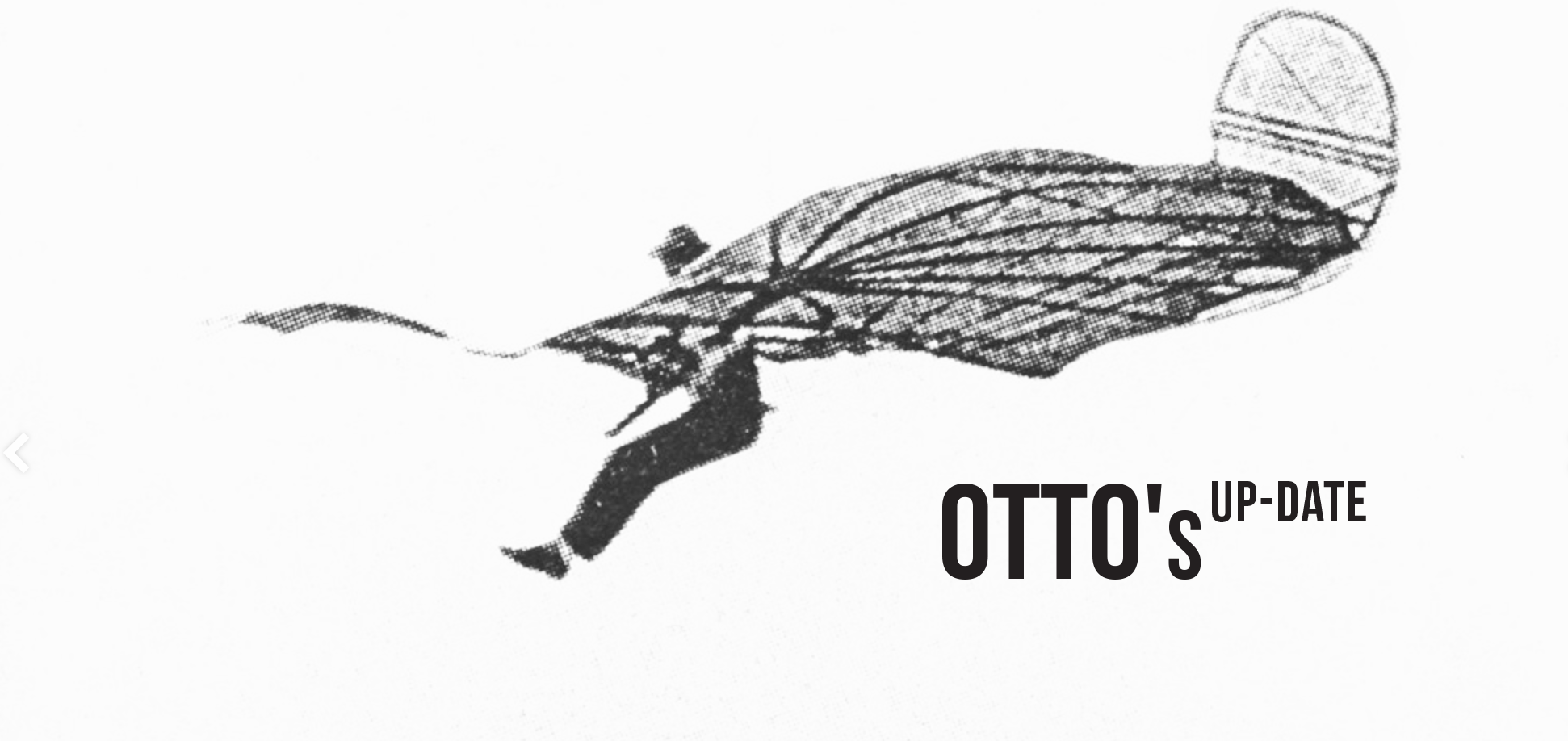
'OTTO's UP-Date' . Winter 22.23
Dozent/in:
MersingerMarius
Dozent/in:
PetersMichael
类别:
Bachelor-Studiengänge
Peters: K3.1
_
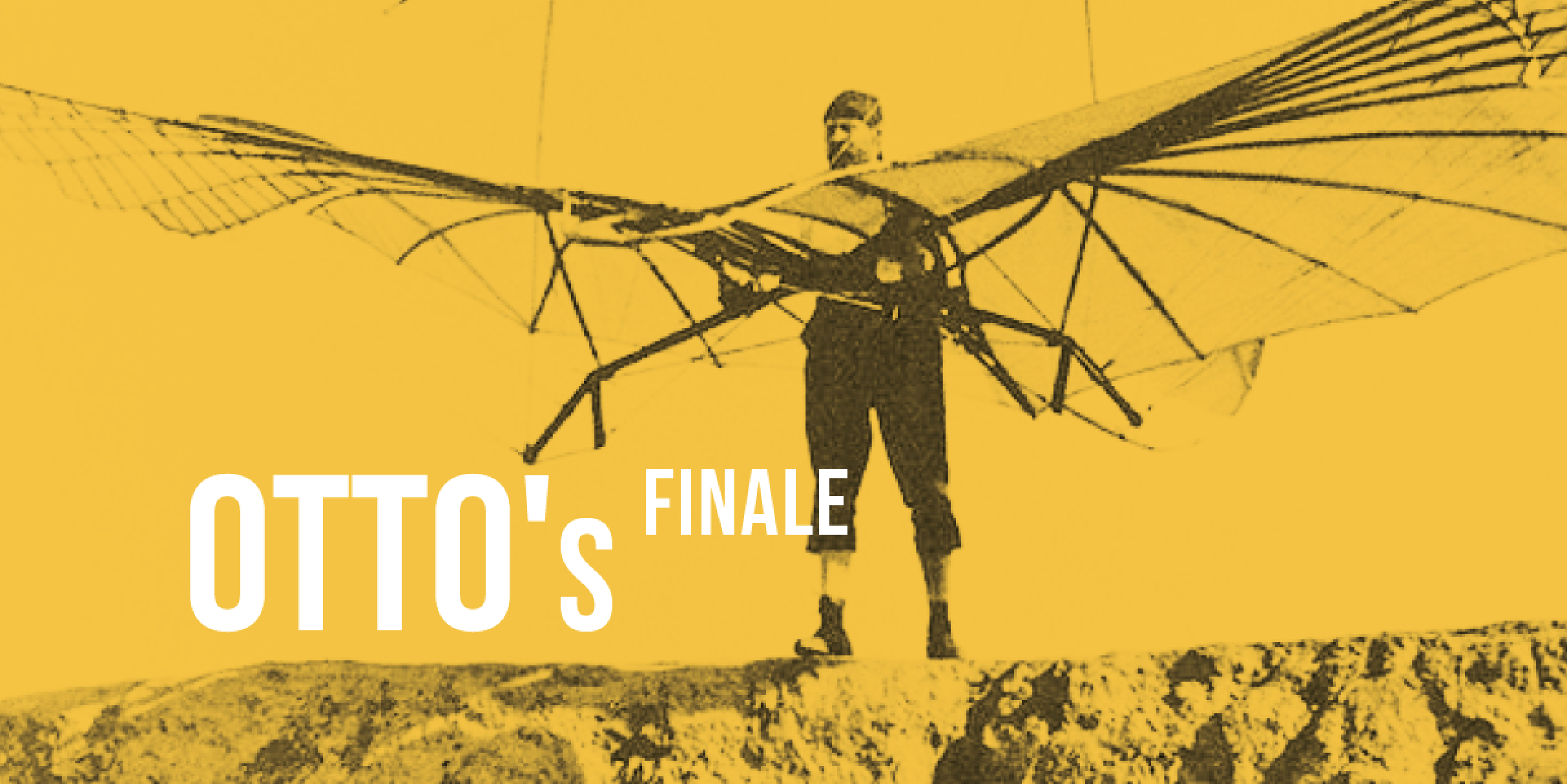
OTTO's Finale . Sommer 2023
Dozent/in:
MersingerMarius
Dozent/in:
PetersMichael
Dozent/in:
SchäferTheresa
类别:
Bachelor-Studiengänge
Peters: KP.1
_
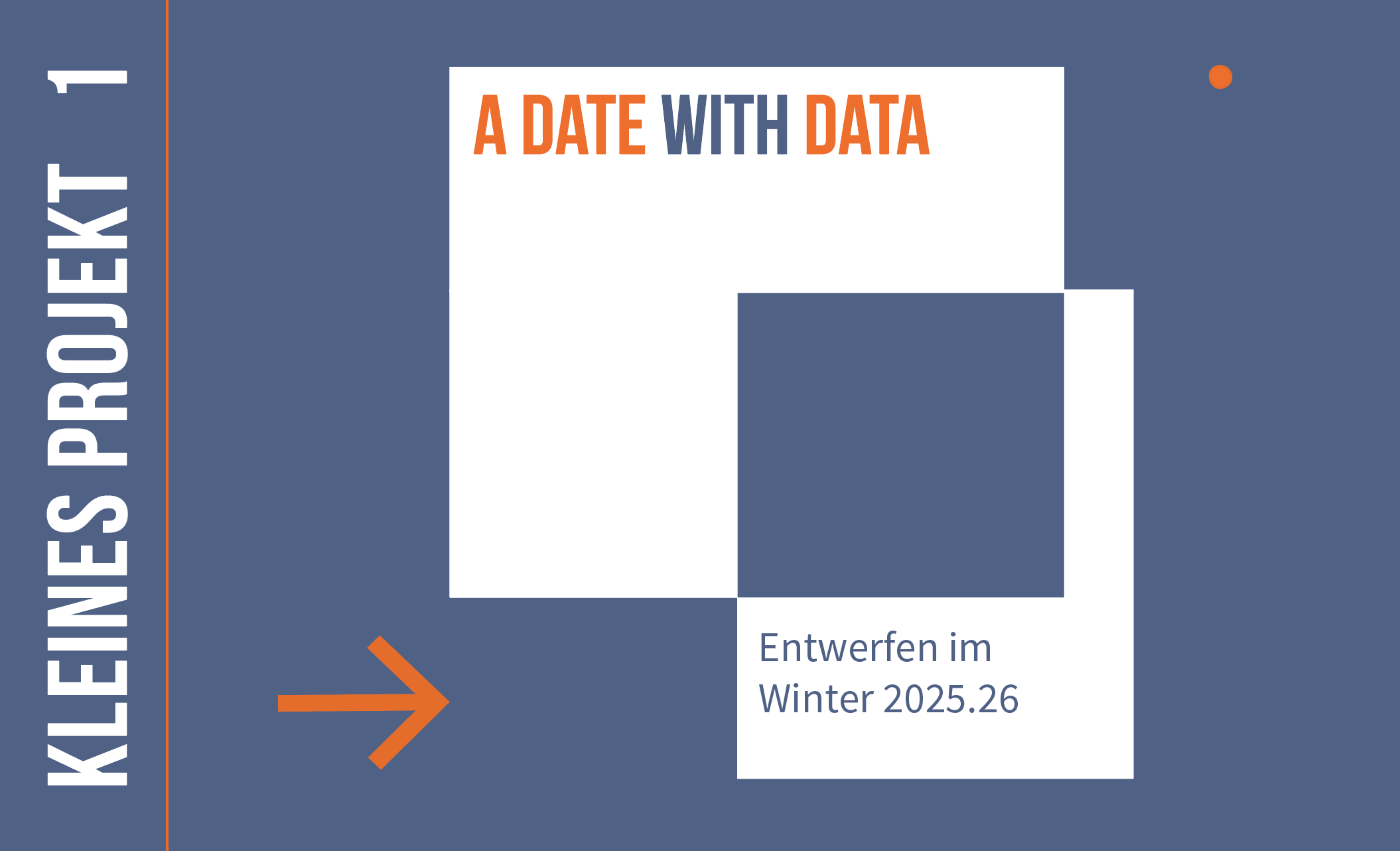
'A DATE WITH DATA' . Winter 2025.26
Dozent/in:
PetersMichael
Dozent/in:
SteinerSophie Simone
类别:
Master-Studiengänge
Peters: KP.3
_
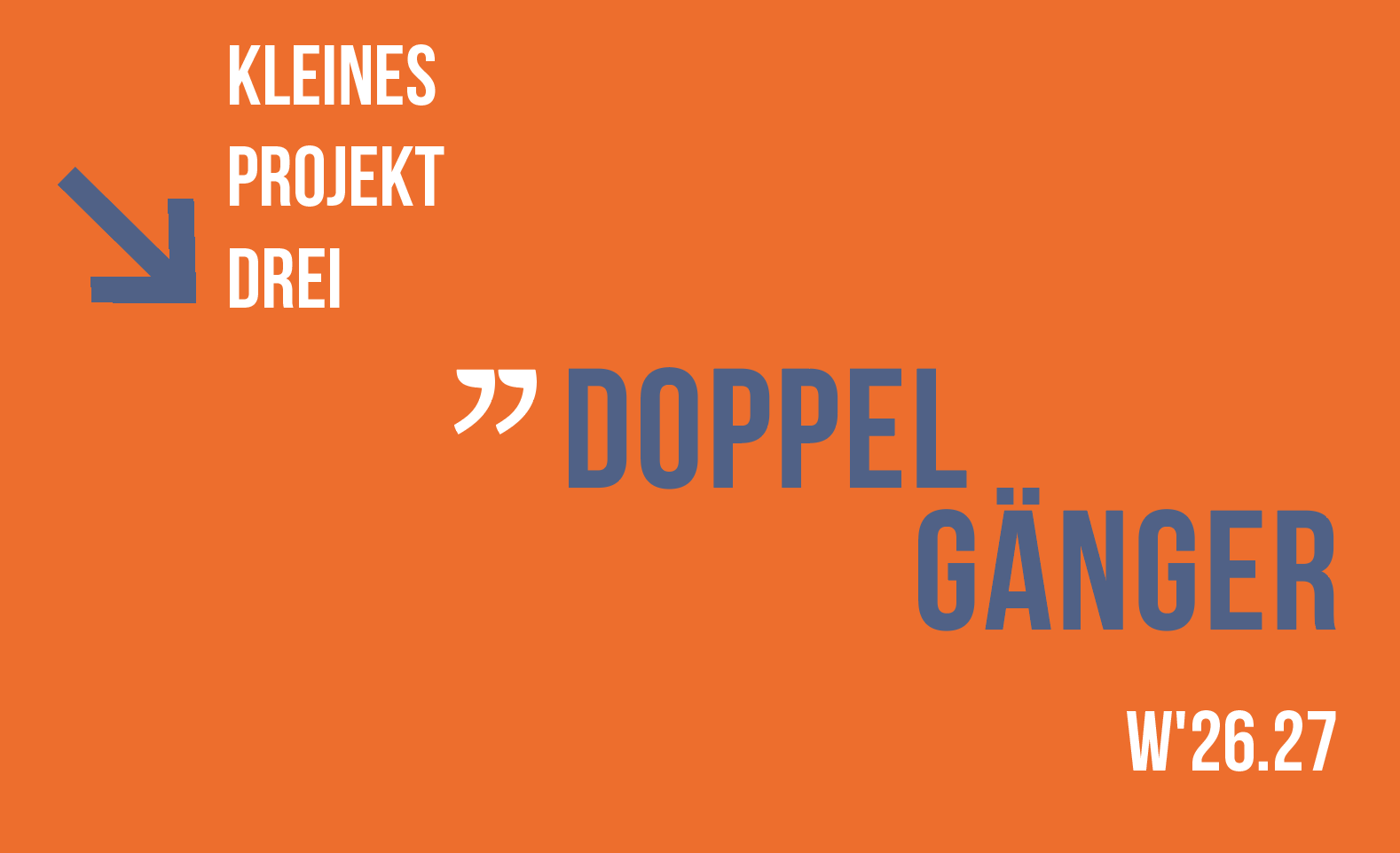
'Doppelgänger' . Winter 2026.27
Dozent/in:
PetersMichael
类别:
Master-Studiengänge
«
上一页
1
页 1
…
552
页 552
553
页 553
554
页 554
555
页 555
556
页 556
557
页 557
558
页 558
559
页 559
560
页 560
561
页 561
…
758
页 758
»
下一页
显示所有(7576)